Anti-inflammatory Foods and Healthy Joints
Simple Food Swaps to Reduce Joint Pain
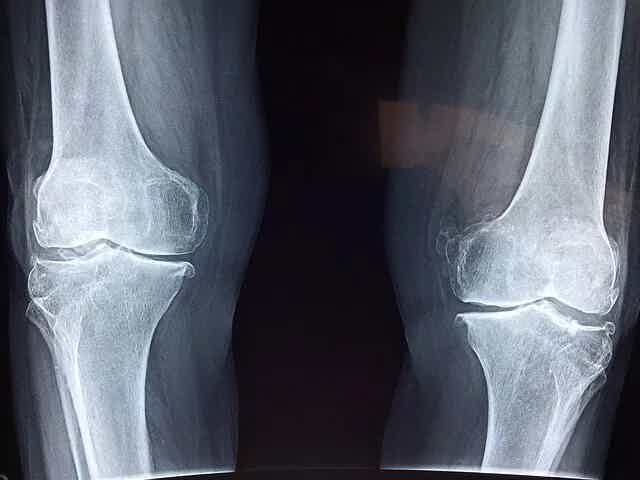
Sometimes, it feels like there’s nothing you can do to relieve joint pain—especially if you’ve been told you have “bone-on-bone” knees and need a replacement. But did you know your diet can play a powerful role in getting you back to an active, pain-free life? While it won’t change your X-ray or regrow cartilage, the right foods can reduce inflammation—a key driver of arthritis and stiffness. By making simple food swaps, you can take control of your joint health and start feeling the difference.
Swap Nightshades for Non-Inflammatory Veggies
Nightshade vegetables—like tomatoes, potatoes, peppers, and eggplants—contain solanine, a compound that can trigger inflammation in some people. If you notice increased joint pain after eating these, try replacing them with sweet potatoes, zucchini, or leafy greens.
Replace Dairy with Non-Dairy Alternatives
Dairy is a common inflammatory trigger, especially for those sensitive to casein or lactose. Instead of cow’s milk, try almond or coconut milk. Swap traditional cheese for cashew-based alternatives, or use nutritional yeast for a cheesy flavour without the inflammatory effects.
Ditch Wheat & Corn for Anti-Inflammatory Grains
Gluten and corn can contribute to joint pain due to their inflammatory nature. Instead of wheat bread or pasta, choose quinoa, buckwheat, or rice pasta. For crunchy snacks, opt for rice crackers or roasted chickpeas instead of corn-based chips.
Rethink Citrus if It’s a Trigger
While citrus fruits are packed with vitamin C, they can also be inflammatory for some individuals. If you experience joint discomfort after eating oranges or grapefruits, try swapping them for berries, kiwi, or papaya—still rich in vitamin C but gentler on the joints.
Cut Out Processed Sugar and Opt for Natural Sweeteners
One of the biggest culprits? Sugar. Cutting back on refined sugar not only helps ease joint pain but also supports weight management and heart health—especially important if joint pain limits your ability to exercise. Instead of white sugar, try raw honey, maple syrup, coconut sugar, or cinnamon to satisfy your sweet tooth without the inflammatory response.
These small changes can make a big difference in how your joints feel day to day. Pay attention to how your body reacts to different foods and experiment with these swaps to see what works best for you. By reducing inflammatory triggers and focusing on nutrient-rich alternatives, you’re taking a natural step toward better mobility and less pain.
If you would like to explore further how diet can affect your joint health, knee pain and overall inflammation, contact my office to book a discovery call to get started on a better life with arthritis today.