Essentials to Keep You Skiing
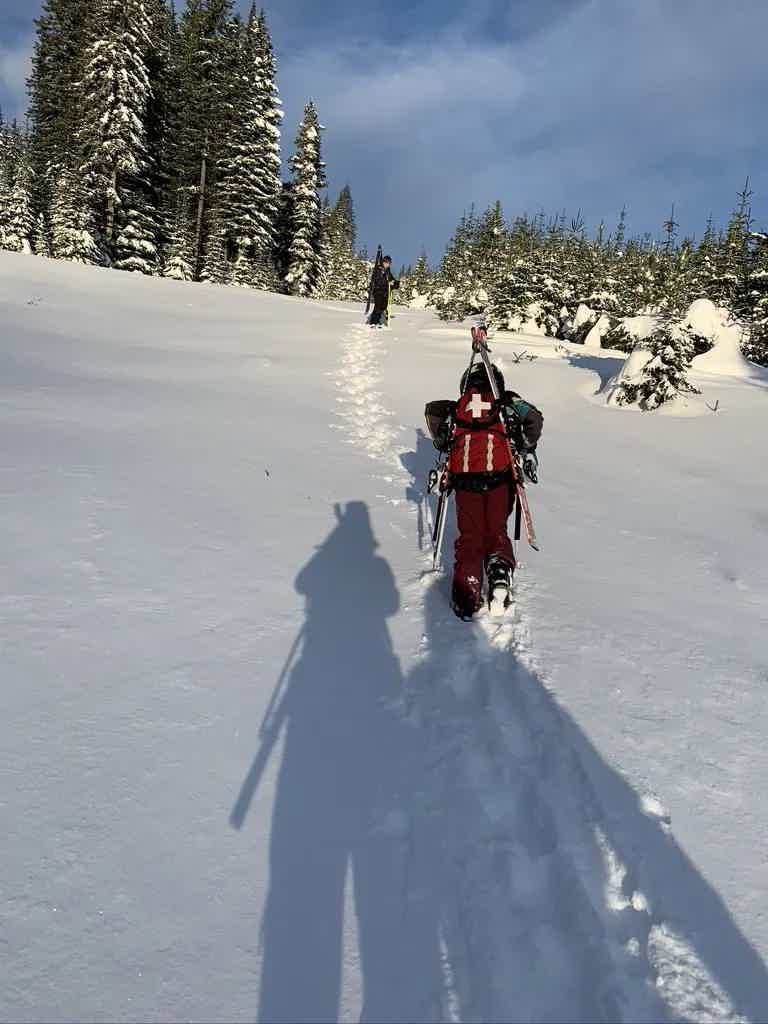
Seeing a dusting of snow on the hills & getting out last year's gear to see what you will rip down the hill with is always a sure way to bring on the stoke. But are your muscles & old injuries ready for bombing it down the hill again?
You likely are concerned about easing your muscle aches, building stamina and keeping inflammation in check. Many people resort to ibuprofen or advil for some of these effects. But have you thought that supplements can replace these over the counter medications? There are a few key players in the natural medicine arena that come to mind that are versatile & supportive for the active skier. Just as you are making sure you have hand warmers at the ready, stock up on these two beneficial supplements - magnesium and curcumin.
One of the most common minerals that I prescribe in my practice is magnesium. It is not just a side player to calcium to aid calcium's absorption. Magnesium can have its own limelight. Upping your magnesium intake while you up your fitness will help to reduce muscle tension, pain and trigger point formation.
There are different types of magnesium for different purposes.
Magnesium citrate. Most people take this form as its bioavailability is superior. You have to be cautious in taking too much as the citrate form is notorious for causing loose stools. Magnesium citrate is great for helping you get a good night's sleep, reducing anxiety & replenishing your magnesium stores.
Magnesium malate. I choose this form when I want to support the muscles. Combining magnesium with malic acid improves cellular energy production & eases muscle aches.
Magnesium sulfate. You will get this one in epsom salts. If you don't have a hot tub for an apres ski dip, stock up on epsom salts to throw into a bath to ease your muscles by absorption through the skin.
Magnesium glycinate. When it comes to getting support for the heart and cardiovascular system, the glycinate form is where it is at. This form will help reduce blood vessel spasms, support the heart & bring down high blood pressure. As skiing is a cardio fitness sport, consider magnesium glycinate to keep your stamina up.
Magnesium threonate. This form crosses the blood brain barrier. If you are one that has suffered from a concussion or two, this is the form of magnesium to keep in mind. I find it useful for treating headaches, improving memory, helping concentration. When it comes to neuroprotective properties, magnesium threonate shines.
The other most common prescription I give in my practice is curcumin. The majority of patients I treat suffer from arthritis due to repeated injuries over the years. These patients are often seeking an alternative to NSAIDS that doesn't negatively effect the stomach lining yet is effective at keeping them out on the slopes longer. The alternative pain reliever that I prescribe most often is the active ingredient in turmeric curry called Curcumin.
Even though curcumin comes from turmeric - don't think that increasing your curry intake will provide the pain relieving benefit. To reduce pain in the joints at a comparable level to ibuprofen, the dose of curcumin runs to 1200mg daily - that would be a heaping amount of curry.
Not only does curcumin reduce inflammation in the joints, it also has an anti-inflammatory effect on the cardiovascular system. I use curcumin as a neuroprotective when it comes to supporting brain recovery from a concussion.
Most people tolerate curcumin. Although curcumin is used to treat inflammatory bowel diseases such as Crohns disease - some people get gastrointestinal upset from high doses of curcumin. Caution is also recommended if you are taking an anti-clotting medication or if you have gall bladder disease.
Curcumin and Magnesium can definitely be considered main players when it comes to treating pain, old injuries and improving overall health. If you are looking for specific support to keep you living the skiers dream, contact me to give you a tailored plan.