Healing Injuries
Have you been injured this year? Are you unable to play the sport you love due to nursing an injury? If you are active it often is said that you will fall into two camps - healing from an injury or soon to be injured.
Learning about how the body recovers and enhancing its process will get you back on the field.
This is what your body goes through after an injury. There are three phases in wound healing - an initial inflammatory phase, a secondary proliferation phase and lastly a remodeling phase. The inflammatory phase is where you see swelling, bruising, pain as the body goes through an initial preparation for healing. This initial phase typically occurs over the first week post-injury and is the body's way of protection and initiating the overall repair process as it brings nutrients and cells to the injured site. The body then bleeds into a proliferation phase. This secondary step is the healing phase where there is mending and laying down new tissue at the injured site. The final phase that continues onwards for a year post injury is where scar tissue remodels and the tissue gains strength.

The wound healing process is pretty set. The body goes through each of these phases as the body is meant to heal. Speaking with Phil Burman physiotherapist regarding injury he has a sensical view that you can't rush physiology. What you can change is how well your physiology will heal. This is where rehabilitation in all forms comes into play.
Eat your way to a stronger you. You may not consider what you eat plays a role in rehabilitation. Diet surprisingly has an integral part in how controlled the inflammatory and proliferatory phase is for you. Eating a diet rich in processed foods brings the body's inflammatory state to a higher place. Typical inflammatory foods are nightshade vegetables, wheat, dairy, corn, citrus, sugar, alcohol, high consumption of beef. Yep I know - all the good stuff. Swapping this diet out for more of a mediterranean diet will not only keep inflammation in check but it will also increase antioxidants

Feed the body's wound healing process. As the gears are ramped up with laying down new tissue - the source must come from somewhere. Vitamin C and Zinc are safe supplements to help increase collagen synthesis for ligaments, tendons and bone. You can even go straight to supplementing with collagen . Again collagen is the main structural component of connective tissue (ligaments and tendons) -- the most common tissue to be injured out on the hill. Vitamin D plays a role if you have suffered from a fracture as this vitamin plays a role in calcium absorption and laying down of minerals into bone.
Take care to modulate pain. On one hand it is important to use pain as your guide. Loading up on anti-inflammatories or pain killers prior to a day of activity is never a good plan. This form of preloading can lead you to doing stupid stuff - going beyond what your body can handle. On the other hand, don't let pain get ahead of you. Shelfing all forms of pain medication can get you into trouble where pain and swelling gets ahead of you. I recently was injured on the hill - I was able to use alternate forms of therapies to modulate my pain. This included the frequent use of laser therapy, curcumin, fish oil and perineural injection therapy.
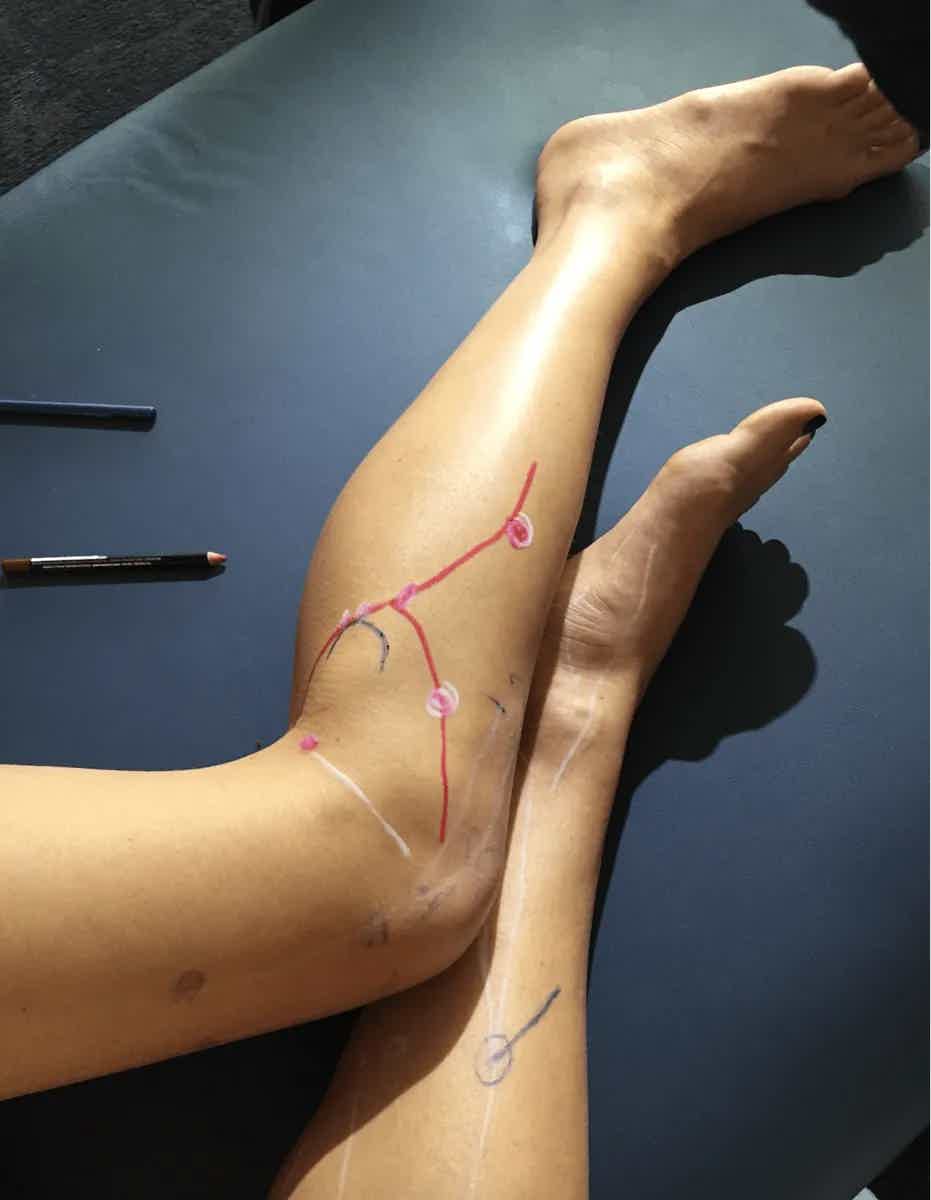
Perineural injection therapy is a fascinating therapy for acute injuries where it treats inflammed and injured nerves with the use of microinjections of dextrose to reduce pain and restore function. I sustained an injury this past ski season to my knee. Perineural injections quickened my healing where I was treated twice per week. I was able to completely shelf all forms of pain medication and effectively reduce swelling and improve mobility primarily with perineural injections. This injury gave me a great appreciation for the use of dextrose to treat acute injuries.
Keep Active with Limits Set. When you are injured - all plans to keep to your sport are sidelined. Training takes on a new meaning where not only are you protecting the part of your body that got injured but also working to maintain muscle throughout the healing process. What is important most of all is to keep moving. Work closely with a physiotherapist to make sure what you are doing is working towards a stronger you, not putting you at risk for further injury. Dan Colbeck physiotherapist always feels that there are two types of injured people - those that get back at it too early and those that you need to encourage to do more. The middle ground would be the best place to be.