How To Support Your Mental Health through Social Isolation
The most common complaints I am hearing in my practice and in my community these days are focused on mental health. Being socially isolated has taken a toll on many of us. You may be missing social connection with friends and family especially as May long weekend is often the kick off to summer gatherings.
If you are struggling to adjust to this “new normal,” then you may feel anxious and/or depressed, have difficulty sleeping or be sleeping too much, have increased or decreased appetite, may be unable to focus, or experience more irritability than usual just to name a few of the things I am hearing! I have experienced some of these myself, and can totally relate.
If you can implement some of the strategies below you will be able to take charge of your mental health in this time of uncertainty. You will go from feeling out of control and possibly hopeless to in control and hopeful. You will feel more mentally stable, and less anxious or depressed. You will get better sleep, and have more energy. You will have a more predictable appetite and reduce sugar and salt cravings.
I had a telemedicine consult with a patient last week who is a Mother to two young children, and trying to work from home. Her husband is also working from home and they are attempting to homeschool and work. She spoke about her feelings of guilt for not getting school work done along with her irritability at her kids when she can’t focus on her own work. She has been up at night unable to fall back asleep, and craving sugar and snacks all day. She hasn’t had motivation to exercise, and has noticed a decline in her sex drive and overall feelings of connectedness to her husband. We implemented a few of the steps discussed below, and she is already feeling an improvement.

Here are the top 7 things we implemented:
We discussed about adding an extra vegetable into her meal plan. Sometimes if we are trying to avoid certain foods, it is much easier to add in more of the good stuff, the unwanted foods eventually get crowded out.
She committed to drinking half her body weight in ounces of water daily to combat cravings, stay hydrated and support the immune system.
Sleep and wake rituals were put in place. Sleep routine includes 15 minutes of meditation and no screen time 1 hour before bed. Waking routine is to set an alarm for regular wake ups, a short walk in the morning with the kids after having a healthy breakfast.
An attainable exercise goal was implemented. She chose 15 minutes of yoga and 15 minutes walking outside with the family daily.
A stress reduction plan was discussed, and she chose to journal daily and write down three good things she is grateful for along with a breathing exercise every day (either during yoga, mediation or separately).
A human connection and social interaction goal was set to connect with someone outside of her immediate family each day. She chose to email friends, and set up a zoom call weekly with friends she was missing while quarantined.
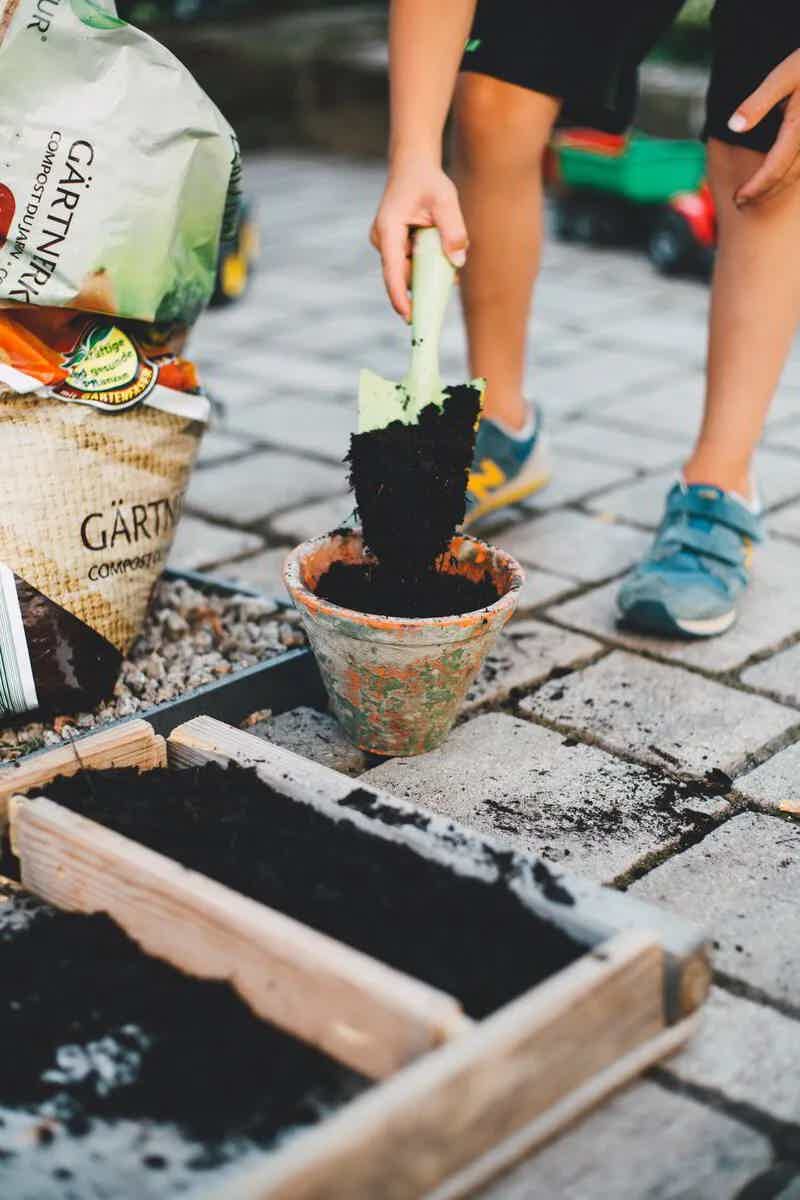
Self care strategies were discussed, and she chose to focus on a planting a vegetable garden. She knows that the kids enjoy eating snap peas off the vine & it is something she can do while the kids play in the backyard.
Small consistent changes that we make to our daily lives can have a large ripple effect - reducing the potential strain on your mental health & helping you to come out of this pandemic with more tools for a happier healthier life.
Here is YOUR call to action: Pick ONE of the strategies above, and give it a try today!
