Keeping Your Knees Strong After Ski Season
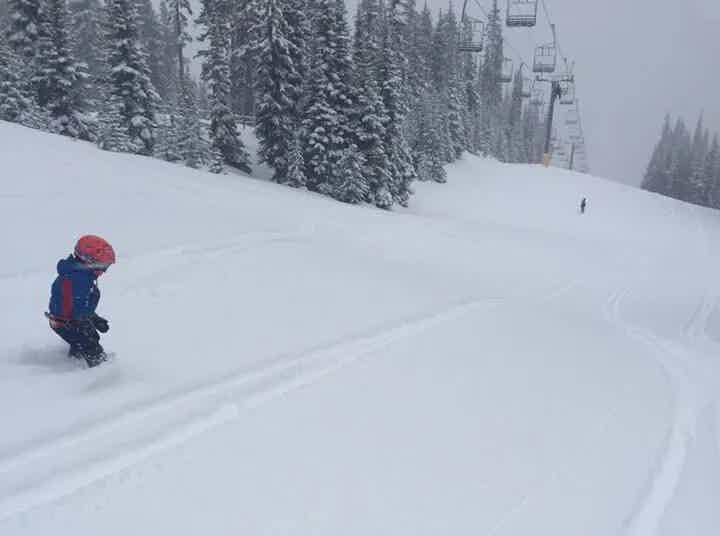
Ski season is winding down, and your knees have put in the work. They’ve absorbed
impact, stabilized every turn, and endured long days on the steeps. Now, as we
transition into spring activities, it’s time to give them some well-earned attention.
Common Knee Issues Post-Ski Season
Ligament Sprains. Skiing is hard on the MCL and ACL, with twisting falls and awkward
landings being prime culprits. If you’ve had a minor tweak that didn’t quite go away,
now’s the time to address it before you hit biking or hiking season.
Osteoarthritis. That deep ache or swollen knee after a day on the hill? It could be wear
and tear catching up with you. The cartilage lining the ends of your bones may be
thinning, leading to joint stiffness and discomfort. Managing inflammation and
supporting joint repair now can help you stay active all summer.
Meniscus Strain. Your meniscus acts as the shock absorber for your knees, and skiing
can put serious pressure on it. Persistent clicking, swelling, or pain with deep bending
could signal an issue that needs support.
How to Support Your Knees in the Off-Season
1. Strengthen the Stabilizers. Your quads and glutes take on a lot of the work in skiing,
but post-season training should focus on hamstrings, calves, and hip stabilizers. Single-
leg deadlifts, step-ups, and balance exercises keep your knees - & the whole chain -
strong and resilient.
2. Hydrate & Lubricate. Your knees are bathed in synovial fluid, and dehydration
reduces its ability to keep joints moving smoothly. Prioritize water intake and add
omega-3s through fish or supplements to keep inflammation down.
3. Support Cartilage Health. Collagen, Glucosamine, SAMe are all geared at helping
to rebuild cartilage and supporting the knee synovial fluid.
4. Mix Up Your Movement. Shift from high-impact activities to low-impact options like
swimming, yoga or cycling to maintain strength and balance while giving your knees a
break from pounding forces.
5. Regenerate with PRP Therapy. If you’ve got lingering pain or an old injury that
hasn’t fully healed, PRP (Platelet Rich Plasma) can help. Injecting your own platelets
into damaged tissue jumpstarts the healing process, reducing pain and improving
function. Ideal for osteoarthritis and ligament injuries that need a boost.
Ready to Keep Moving Pain-Free?
If your knees took a hit this winter, now is the time to act. Book a Discovery Call to see
if PRP is right for you,
or join my 14-day Joint Health Challenge to set yourself up for a strong, pain-free season ahead.
Your knees carried you through ski season—make sure they’re ready for what’s next.