Recovery on the Slopes: A Guide on What to Do After a Ski-Related Knee Injury
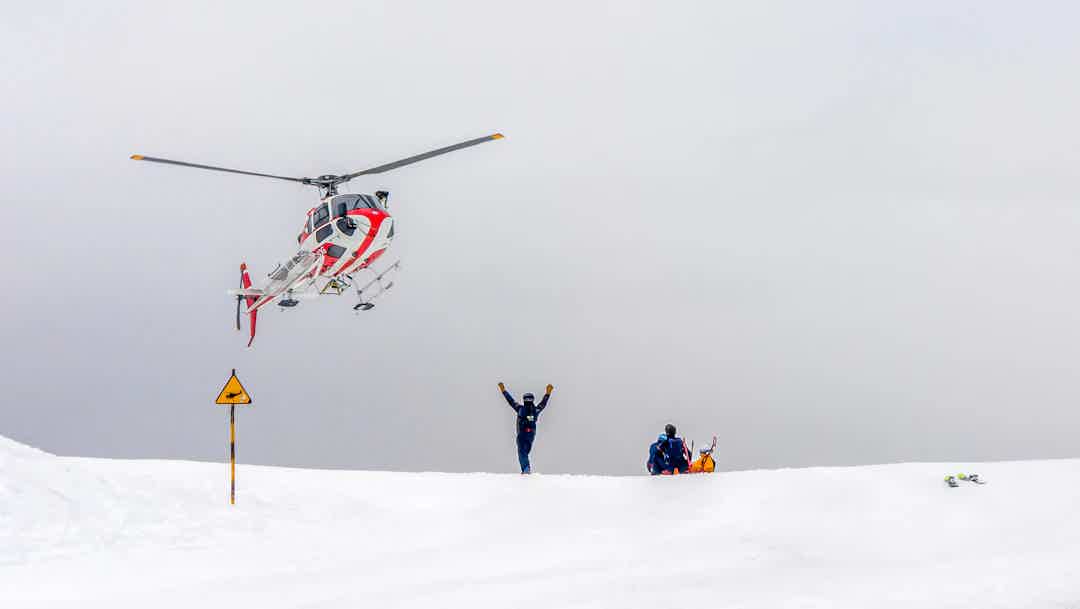
Have you taken a ride in the toboggan lately with ski patrol at the helm?
With all of these variable conditions ski patrol has sure seen an uptake of knee injuries. Ski patrol’s role is to get you safely down the mountain. Get you into a comfortable warm environment known as the infirmary. Assess you for what you may have done out in the elements. Tell you to go home and rest for minor injuries. Or seek further medical advice for breaks and major injuries.
If you find yourself facing a knee injury after a day on the slopes, it's crucial to take the right steps for a prompt and effective recovery. This article outlines key measures to consider and offers guidance on resuming your ski adventures responsibly.
Immediate Response:
Seek Medical Attention: After sustaining a knee injury, it's essential to consult a healthcare professional promptly. You may not need to go to the hospital if the injury is minor. Getting a detailed knee exam is still critical. Early attention will get you on track toward an appropriate treatment plan. It will also help you to know what limitations you should put in place to prevent further injury.
M.E.A.T. Protocol: Employ the M.E.A.T protocol - Movement, Elevation, Analgesic and Early Treatment. Try to avoid anti-inflammatories and ice as much as possible. These will slow down healing since inflammation triggers the wound healing process
P.E.A.C.E and L.O.V.E. Protocol: A more in depth protocol to promote healing - Protection, Elevation, Avoid Anti-inflammatories, Compression, Education and Load, Optimism, Vascularization, and Exercise. Load means that pain should be your guide to returning to activities & Vascularization - one way you can achieve this is by staying mobile as much as you can to encourage blood flow in and out of the injury.
Rehabilitation:
Physical Therapy: Engaging in a structured physical therapy program is crucial for rebuilding strength, flexibility, and stability in the injured knee. Look to physiotherapy to help you tailor your exercises to your injury.
Gradual Return to Activity: Resist the urge to rush back onto the slopes. Gradually reintroduce skiing and other physical activities under the guidance of your healthcare provider to minimize the risk of re-injury.
Preventing Future Injuries:
Proper Gear and Technique: Ensure your ski equipment is in good condition and properly adjusted. Continue to pray to Ullr for more favourable ski conditions.
Strength and Conditioning: Strengthening the muscles around the knee is crucial for preventing re-injury. Consistent strength and conditioning exercises can enhance joint stability. Squats aren’t just for preseason
With a combination of seeking professional guidance as necessary, being committed to rehabilitation and having a patient approach to returning to activity - you too can recover from a ski related knee injury.
You can access a more detailed checklist on what to do after a knee injury by following this link:
Grab Your Free Injury Checklist
Thankfully those variable, spring like conditions have passed. And we can get back to our regularly scheduled powder laps.